What Gear Do I Need for Dirt Biking?
Coach's Note: "You don't need to spend a fortune before your first ride. Start with the essentials and upgrade as you go."
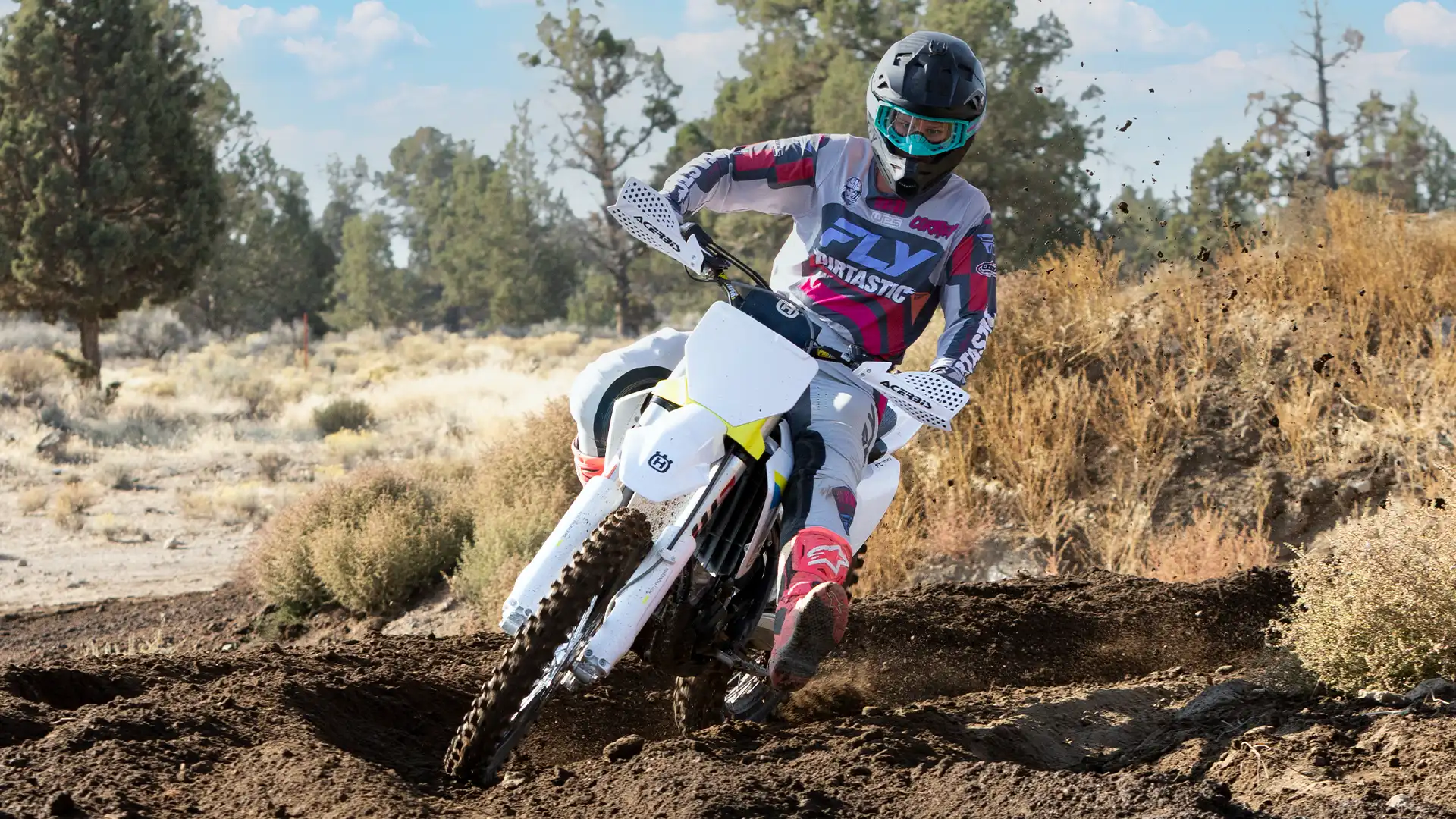
Gear questions are the number one thing we hear from women thinking about trying dirt biking. How much do I need? What's essential vs. nice-to-have? Do I have to spend $2,000 before I even get on a bike?
The short answer: no. Here's a practical, no-nonsense breakdown of what you actually need — organized by priority so you can gear up without breaking the bank.
The Non-Negotiables (Must-Have)
These are the items you absolutely need before any ride. No exceptions.
DOT-Approved Helmet
The most important piece of gear you'll own. A proper dirt bike (motocross) helmet has a visor, chin guard, and is designed for off-road impacts. Women often need smaller sizes than they expect — get measured and make sure it fits snugly without pressure points. Never buy a used helmet — you don't know its crash history.
Goggles
Not sunglasses. Proper MX goggles seal against your helmet to protect from dust, rocks, branches, and roost (debris kicked up by other riders). Make sure they fit your helmet with no gaps at the top or bottom.
Boots
Over-the-ankle MX boots with a stiff sole. This is the piece most beginners underestimate. Regular hiking boots won't protect your ankles from the lateral forces of dirt riding — rocks, ruts, and tip-overs put serious stress on your feet and shins. Proper MX boots make a massive difference in both safety and confidence.
Gloves
MX-specific gloves are ideal — they're designed for grip on handlebars and protection from blisters and branches. For your very first ride, any full-finger glove works in a pinch.
Long Pants & Long-Sleeve Top
Riding pants with built-in padding are the goal. For your first time, sturdy jeans work. Pair with a long-sleeve MX jersey or a lightweight jacket. The key is covering skin — branches, rocks, and the bike itself can scrape you up.
Strongly Recommended
Once you know you're hooked (and you will be), add these:
- Chest/back protector (roost guard) — Protects your torso from rocks, branches, and impacts. Lightweight and worn over or under your jersey.
- Knee guards or knee braces — Your knees take a beating on the trails. Even basic knee guards make a significant difference.
- Neck brace — Reduces the risk of neck injury in a crash. Especially important for trail riding and more aggressive terrain.
- Riding-specific pants with built-in padding — Purpose-built MX pants have hip, knee, and tailbone protection sewn in. Much more comfortable than jeans for longer rides.
Nice-to-Have Upgrades
These aren't essential for getting started, but they make riding more comfortable as you progress:
- Hydration pack — A small backpack with a water bladder. Staying hydrated on the trails is critical, especially on longer rides.
- Riding-specific socks — Tall, padded socks prevent blisters and keep your boots comfortable.
- Elbow guards — Extra protection for your arms on technical terrain.
- Kidney belt — Supports your lower back and core during long rides.
- Phone mount — Handlebar-mounted for trail navigation apps.
Gear Tips for Women & Smaller Riders
Sizing runs large in moto
Measure yourself and check size charts — don't guess. MX gear is typically designed for men, so women's sizing can be tricky.
Youth sizes are your friend
Youth-sized helmets, boots, and gloves often fit smaller adult women perfectly — and they're usually cheaper too.
Never buy used helmets
Helmets are a one-crash item. You can't see internal damage from a previous impact. Everything else can be bought used — but not helmets.
Break in boots before a big event
New MX boots are stiff. Wear them around the house or on short rides before committing to a full day.
What About Bike Gear?
Body gear gets you riding. Bike gear protects your investment. The essentials for your bike include handguards (protect your levers and hands from branches), a skid plate (protects the engine from rocks), and radiator guards.
For dialing in how the bike fits your body, read our suspension setup guide — getting the right sag and seat height makes a huge difference for shorter and lighter riders.
Budget Guide
Here's roughly what to expect at each level:
Starter Setup
$300–500
Essentials only: helmet, goggles, boots, gloves, riding clothes
Mid-Range
$600–1,000
Essentials + chest protector, knee guards, riding pants
Full Kit
$1,200–2,000
Everything: all protection, hydration, neck brace, quality boots
Many clinics — including Dirtastic beginner events — include gear rental. Don't let the cost of gear stop you from trying. You can always start with rental gear and buy your own once you know you're hooked.
Related Resources
Beginner's Guide to Dirt Biking
The complete guide to getting started — from gear to your first ride to finding your people.
Suspension Setup for Your Size
Adjust your sag, compression, and rebound so your bike works with you.
Your First Trail Ride
What to expect and how to prepare for your first time on the trails.
Not sure if your gear is right?
Come to a Dirtastic clinic and our coaches will help you make sure your gear fits and works. We've helped hundreds of riders gear up properly.
Find a Clinic Near You